Advice · Farm animals and smallholdings
Bird flu: what backyard keepers must do
Bird flu affects backyard flocks as well as large farms. Every keeper must register their birds, and in a prevention zone the biosecurity rules are the law.
- Register
- Every keeper, any flock size
- Report
- 03000 200 301
- Dead wild birds
- 03459 33 55 77
Register your birds
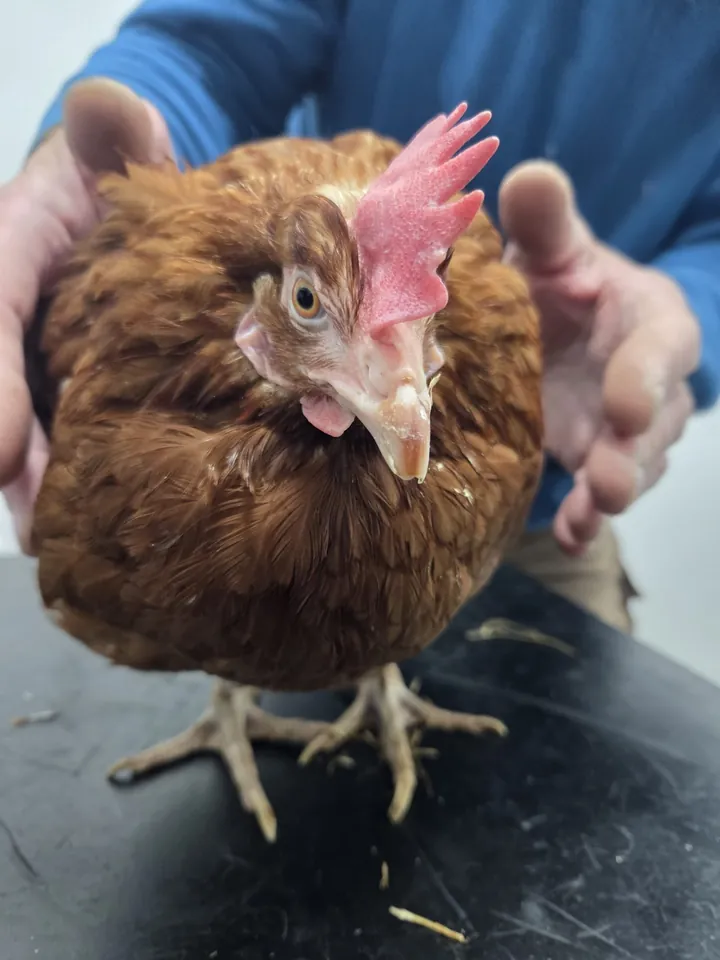
Since 1 October 2024, everyone in Great Britain who keeps poultry or most other captive birds must register with the Animal and Plant Health Agency, however few birds they keep. New keepers must register within 30 days of getting their birds, and keepers must review their details every year. Registration lets APHA contact you quickly about an outbreak near you.
Prevention zones and housing orders
When the risk is high, the government declares an avian influenza prevention zone (AIPZ). In a prevention zone, every keeper must follow strict biosecurity rules, whether they have three hens or thousands. Housing orders may also require birds to be kept indoors. For example, all poultry and captive birds in England had to be housed from 6 November 2025 until 9 April 2026.
The rules change through the season. Check the latest situation on GOV.UK.
Biosecurity that matters
- Keep feed and bedding under cover, and feed and water birds where wild birds can’t reach
- Make your birds’ area unattractive to wild birds: net ponds and remove wild bird food
- Clean and disinfect footwear before and after visiting your birds
- Keep vermin under control, and keep records of visitors and of birds coming and going
Signs of bird flu
- Sudden death, or birds lying down and unresponsive
- Dullness, drooping wings, and eating or drinking less
- Swelling and blue discolouration of the comb and wattles, or a swollen head
- Breathing difficulty, such as gaping
- Loose or discoloured droppings
- A sudden drop in egg laying, or misshapen eggs
- Shaking, poor coordination, or twisting of the head and neck
Ducks and geese can carry and spread the virus without looking ill.
Reporting it
Bird flu is notifiable. If you suspect it, even if the signs are mild, you must report it straight away to APHA on 03000 200 301. If you find dead wild birds, report them online on GOV.UK or call the Defra helpline on 03459 33 55 77.
When to call us
Call us on 01843 808344 if:
- Sudden deaths in your flock
- Birds with swollen heads or blue combs
- A sudden drop in eggs with sick birds
Sources
This guide is based on the published sources below, current at 13 November 2026. Rules and situations can change, so check the latest guidance before you act.
- Bird flu (avian influenza): how to spot and report it (opens in a new tab)GOV.UK
- Avian influenza: mandatory bird registration comes into force in October (opens in a new tab)GOV.UK
- Avian influenza housing measures lifted (opens in a new tab)GOV.UK
- Bird flu: latest situation in England (opens in a new tab)GOV.UK
Related guides
- Notifiable diseases: what to report, and howSome diseases must be reported by law, even on suspicion. Which ones, and the numbers to call.
- When an animal dies: the rulesFarm animals, pet pigs included, can’t be buried. What the law allows for livestock, horses and pets.
- Bluetongue: signs, reporting and protectionBluetongue is active across England. The signs in sheep and cattle, who to call, and vaccination.
General information only. This page is not a substitute for professional veterinary advice, examination, diagnosis or treatment, and every animal is different. If you think your animal needs urgent attention, call us immediately on 01843 808344. Services and techniques described are subject to your vet’s clinical judgement. Information correct at the time of publication (November 2026).